


Your Next Favourite Wine Starts Here

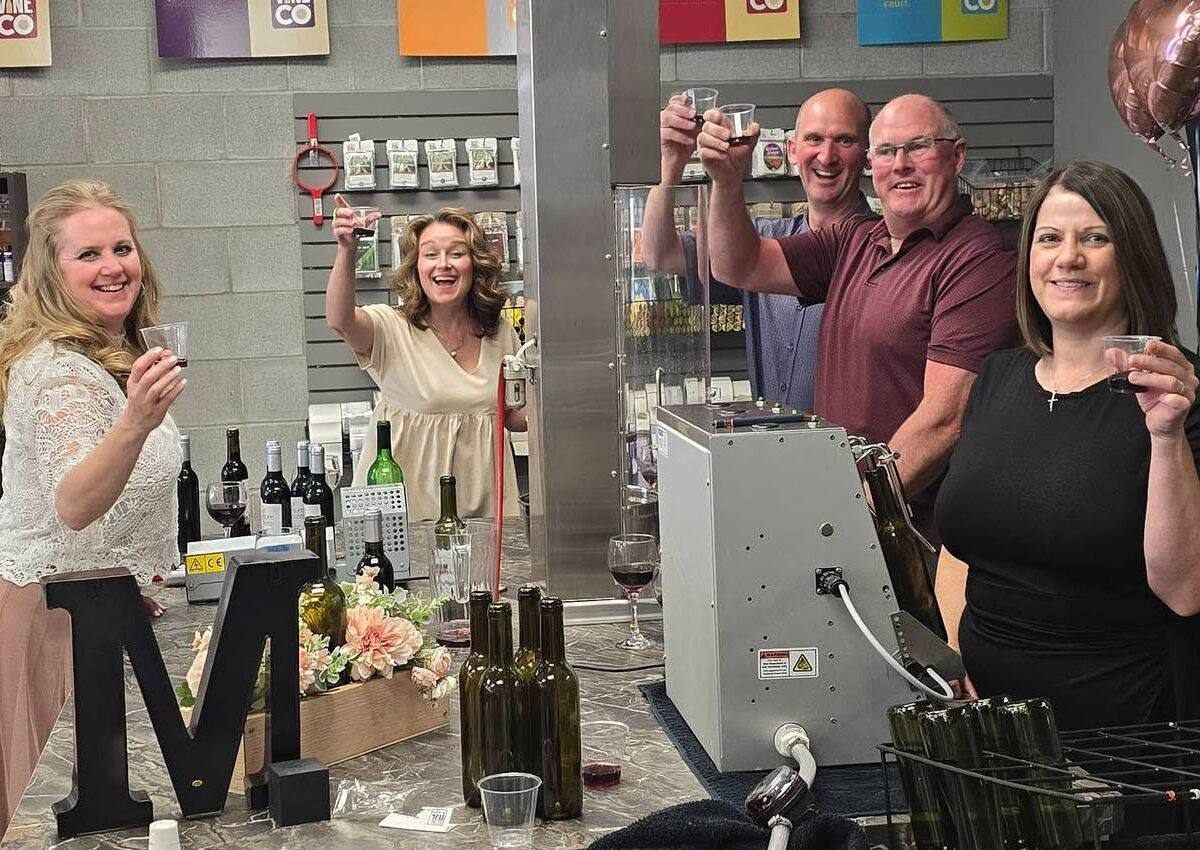
Craft your wine and beer at our state-of-the-art facility or at home with easy-to-use kits that turn simple ingredients into something you’ll be proud to share.

Create Something Worth Pouring

Create Something Worth Pouring

Craft your own wine and beer at home with easy-to-use kits that turn simple ingredients into something you’ll be proud to share.

Ferment on Premise

Ferment on Premise

1 – Choose your wine kit and sprinkle the yeast (no appointment necessary for this step)

2 – Schedule your bottling appointment – we take care of the wine crafting process!

3 – Return to bottle your wine using our winery grade equipment

Learn More
About Wine Brew and You
Since 1997

About Wine Brew and You

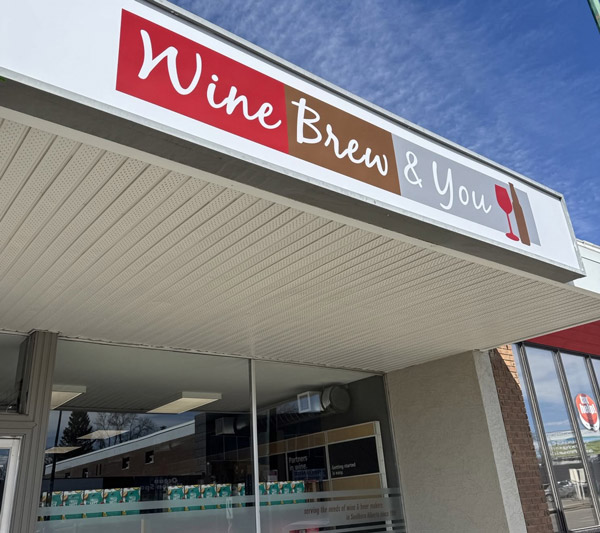
Wine Brew & You has been serving the needs of wine makers in Southern Alberta since 1997.

Over that time our combination of quality products and strong customer service has helped us gain a loyal following of southern Alberta wine and beer enthusiasts who have helped our locally owned business become the largest wine- and beer-making supplies and equipment retailer in southern Alberta.

Wine Brew & You is devoted to providing the products, value, service and information necessary to ensure your wine and beer making experience is positive and enjoyable. We accomplish this by carrying a wide range of wine and beer kits and equipment that meet everyone’s standards of tastes and budgets.

What Our Customers Say

Wine Dictionary

Acetic SpoilageResults from the oxidation of ethanol (alcohol) to acetic acid (the acid component of vinegar), which is then transformed by the acetic bacteria to an ester called ethyl acetate. The prevalent characteristic is an odor of vinegar and a bitter, dry taste. Alcoholic fermentationThe transformation of reductive sugars into alcohol (essentially ethanol) by fermentation […]

Cooking with Wine

Cooking with wine is a great way to enhance your dishes! Learn the tricks to cooking with red wine and cooking with white wine. Here are my favorite ways to use wine in light cooking: Wine helps cook and add flavor to fish. One way to add flavor and moisture to fish without adding fat […]

Common Mistakes in Wine Making

INADEQUATE EQUIPMENT Winemaking equipment, such as pails, carboys and spoons often seems similar to items that may be around the home. However, in many cases, proper winemaking equipment and utensils are made of special materials, and this can influence your finished product. Re-using plastic pails from other sources, like buckets that previously held food products, […]

Frequently Asked Questions

Once fermentation is complete you can sweeten your wine by adding a sweetener (wine conditioner). You would add the wine conditioner prior to filtering. One ounce per gallon takes the edge off and two ounces per gallon starts making the wine fairly sweet. The best thing to do is to add to taste. Be careful not to over-sweeten.

You should keep it in a dark place. Light will excite molecules and oxidizes your wine. It should be vibration free (storing wine under the stairs is not a good idea.) You should have it in a humid place between 50 and 80 percent. You should always keep it away from odors (paint cans or anything with a strong odor) The reason for this is because the taste of your wine can be affected. Maintaining a constant temperature between 16-21C prevents your wine from premature aging. Rapid temperature changes in your wine storage location are detrimental to your wine. You should keep your wine bottles on their side so that the cork stays moist; otherwise the corks will dry out and allow unwanted air in. Wine asks for two things only, to be left lying quietly in a cool dark place, and to be served slowly, giving it plenty of time and room to breathe the air.

The wine was not completely finished fermentation prior to bottling. You can avoid this from happening by using your wine hydrometer. The S.G. reading should read 0.995 or below prior to bottling.

This happens when the wine is bottled before fermentation has completed. To avoid this from happening you should maintain the recommended fermentation temperature. It’s very important to take a Specific Gravity Reading before bottling. This will tell you if your wine has finished fermentation (0.995 or below.)

This is caused by oxidation. Always rack your wine carefully to avoid splashing. You should use a syphon hose that reaches the bottom of your carboy or pail when racking or when bottling. Always remember to fill from the bottom up and do not allow your wine to be exposed to the air for any period of time.

Your wine might have a bacterial infection due to improper sterilization of your equipment. It’s very important to make sure that all of your equipment is sterilized well. A sulphite solution is the best to use. Hot water alone will not kill bacteria. Cleanliness in the surrounding area is also very important. Any spilled wine should be wiped right away because it attracts fruit flies and one fruit fly can infect your wine. You should use food grade plastic, and it’s a good idea to periodically replace your tubing.

Your wine probably just requires aging. Aging is a very important step in winemaking.

Your wine will only taste sweet if it hasn’t finished fermenting. To make sure that it has finished fermentation take a S.G. reading, it should read 0.995 or below.

It’s probably due to incorrect temperature. The temperature should be between 70 and 80F. If the temperature is too cool, the yeast will become inactive; if the temperature is too high, the yeast will die. You can, in most cases, restart it by using a Yeast Starter. Pull a gallon of your must and put it into a sterile gallon jug, add 2 teaspoons of Yeast Energizer and one pack of Champagne Yeast- Mix well, cover lightly, place in a warm spot (on top of fridge), once you have a vigorous fermentation (6-12 hrs) add to your original must.

Yes. It is recommended that you filter your wine. By filtering a clear wine, you are “polishing” your wine which will remove any impurities that your wine may have such as yeast cells and other unwanted material. It improves the taste and the look of your wine. Filtering your wine enhances the quality of your vintage and ensures that the wine will be sediment-free in the months to come.

Bentonite aids the yeast in growing quicker and stronger in the initial fermentation. It also helps to settle out the dead yeast cells so that you are not transferring a lot of sediment into your secondary fermentor after racking.

It protects your wine from spoilage and aids in clearing. It also helps to prevent oxidation. You can dissolve 50 grams of metabisulphite in 4 litres of water and use it as a sterilizer for all of your equipment and containers. It does a great job.

It inhibits the reproduction of yeast cells. It does not kill the yeast cells but it will prevent your wine from renewed fermentation. This is necessary for all wines, especially when you sweeten your wine before bottling.

Ready To Start Brewing?

Our friendly, knowledgeable staff look forward to helping you.

Call (587) 486-8797